
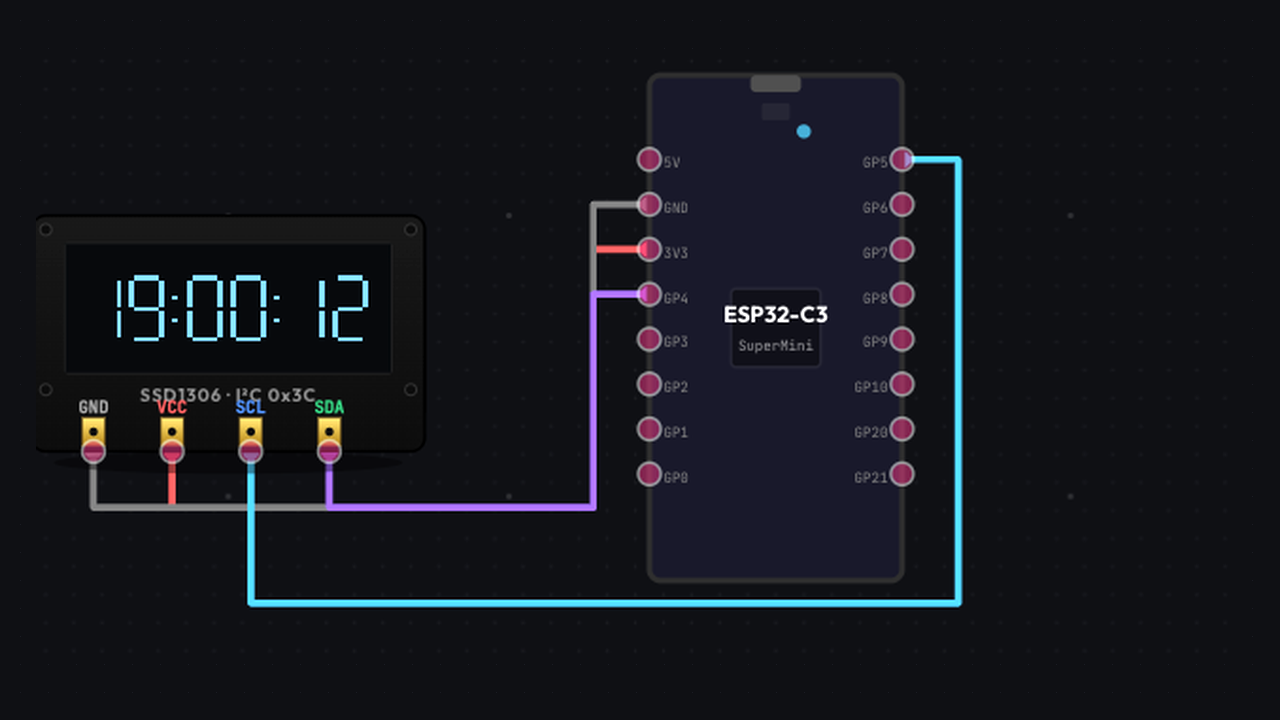
ESP32-C3 · I²C · OLED
ESP32-C3 OLED
Run a clock sketch and watch the OLED update live.
Open in PlaygroundDesign circuits, run firmware, compare variants, and inspect the result in Playground.
Nokia 5110 · Try it live →
Open source
Describe hardware. Run the firmware. See it in Playground.
Type what you want, pick a lab, or connect MCP.
Firmware runs in the browser — display, UART, buses.
Same setup can run in CI. Compare builds before you order a board.
Six working starters across MCUs, sensors, displays, wireless, and industrial buses.
Run a clock sketch and watch the OLED update live.
Open in Playground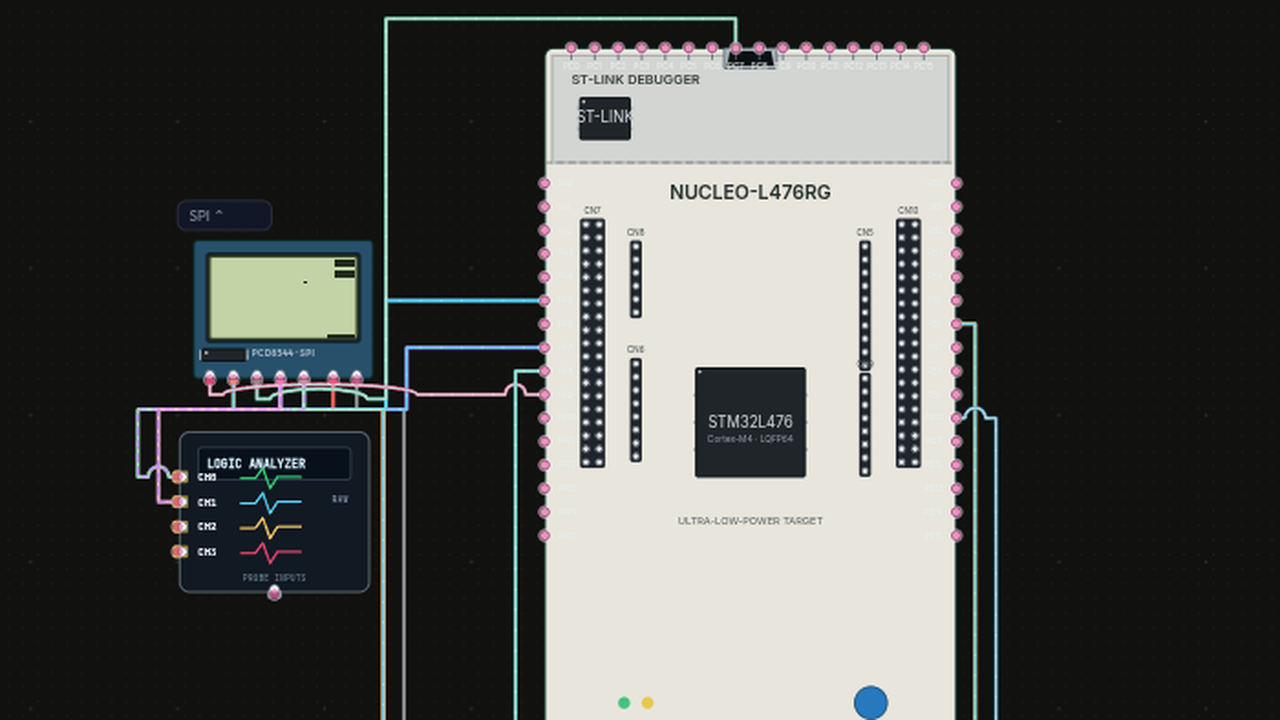
Move the ultrasonic input and steer a real firmware game.
Open in Playground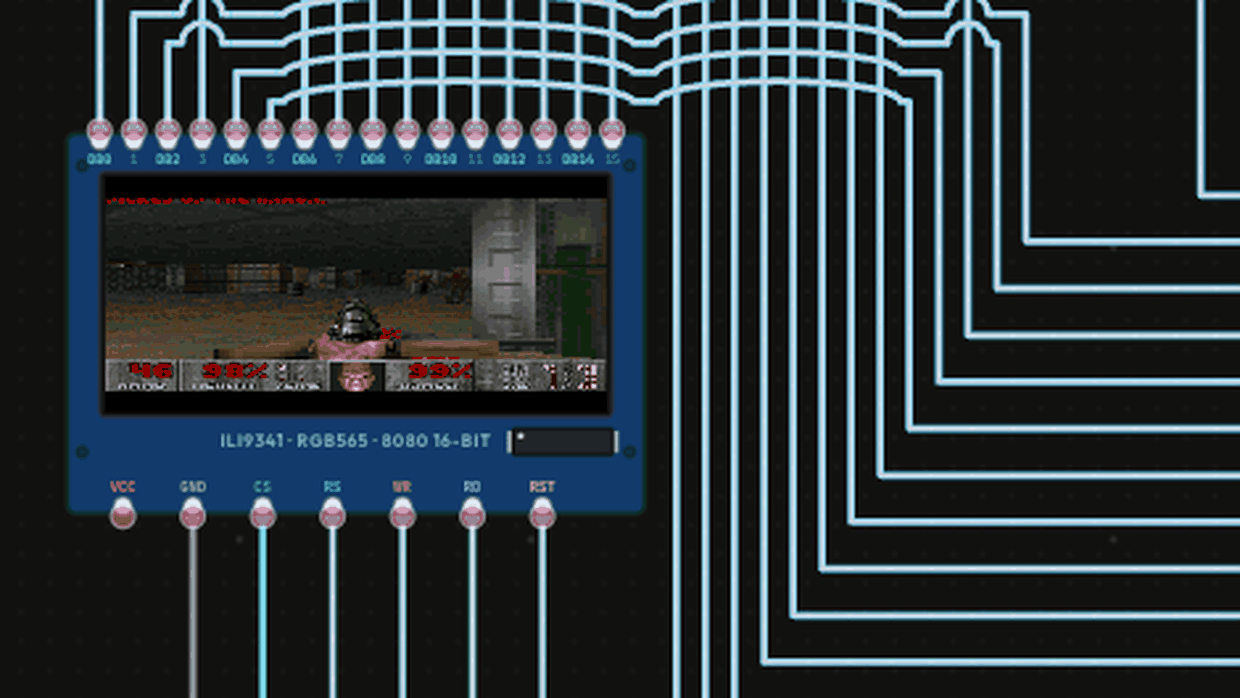
Real Doom — the 1993 shareware WAD, mapped from flash, painting a parallel panel.
Open in Playground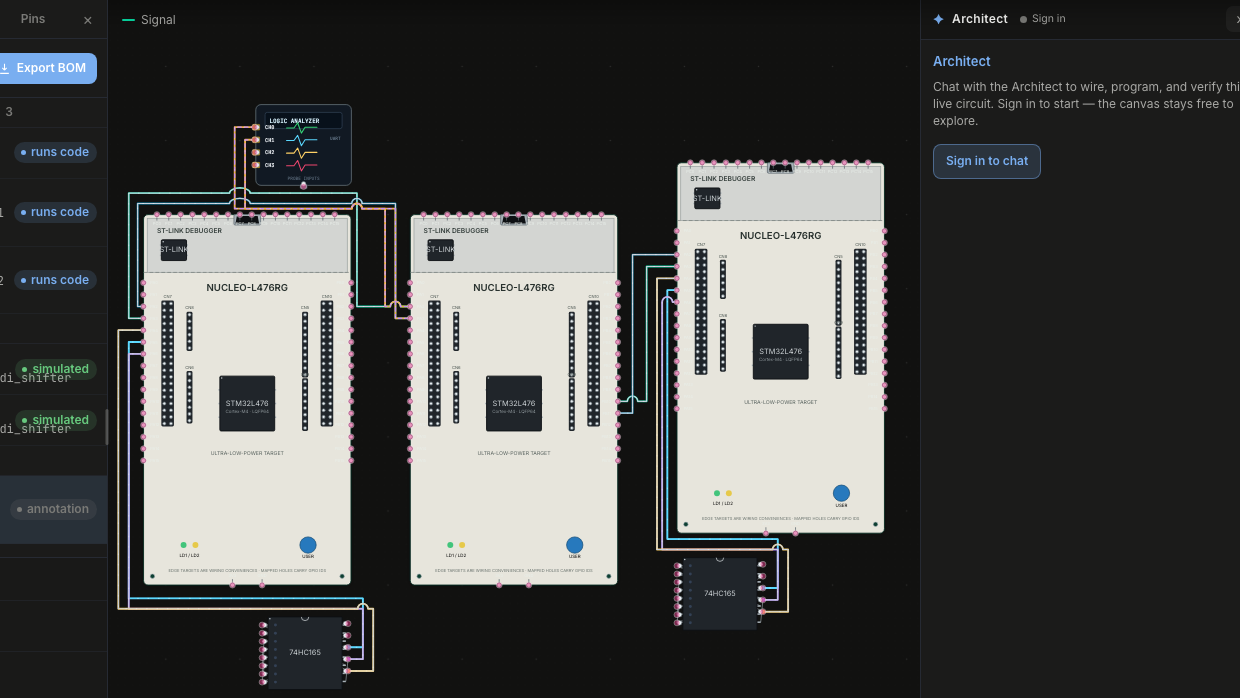
Run a master and two devices together and watch the industrial bus.
Open in Playground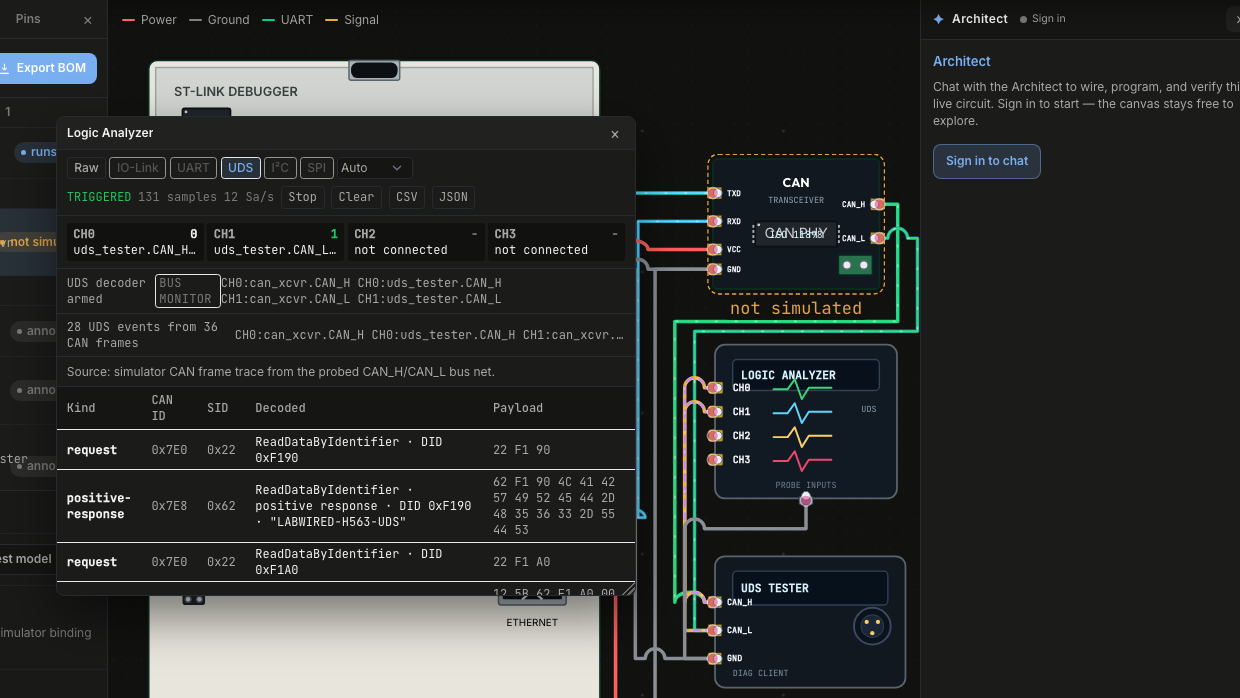
Send car diagnostic messages and see the ECU reply, decoded.
Open in Playground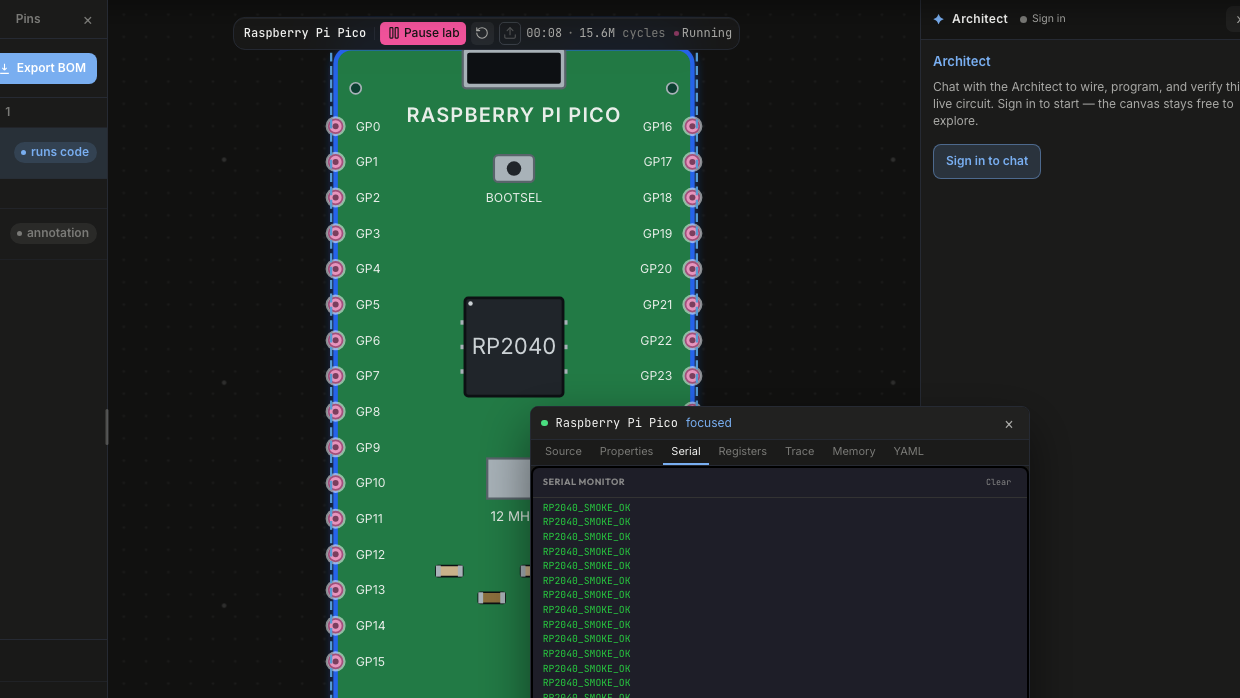
Boot real Pico firmware and read what it prints on serial.
Open in PlaygroundMember-published labs — same as above: open in Playground.
Loading community projects…
Claude / Codex over MCP.
Add LabWired. Open Playground.
curl -fsSL https://labwired.com/mcp.sh | sh
Windows: irm https://labwired.com/mcp.ps1 | iex. The installer registers the hosted MCP connector with every supported agent it finds. Manual: claude mcp add labwired --transport http https://api.labwired.com/mcp · codex mcp add labwired --url https://api.labwired.com/mcp
Build and run devices in Playground. Pick a plan that matches how you work. Cancel anytime. See full plan details →
Play and share — no card required.
For tinkering.
For professionals shipping devices.
Self-hosted digital twin — your firmware never leaves your network.
Secure checkout by Stripe · cancel anytime. Enterprise: contact@labwired.com · Book a call
Opens your assistant with the question already typed. We link the comparison prompts too — including the ones that ask where LabWired loses. See what we simulate, part by part →
The complete system—chips, board wiring, peripherals, and their interactions—modeled so your team can run firmware before hardware is available.
Buy the starting package. We then lock device, peripherals, firmware target, and acceptance tests before kickoff. Larger scopes are quoted after purchase if needed.
Secure checkout by Stripe · invoice available
We model one or more MCUs or SoCs, peripherals, board wiring, and the connections between them.
Deterministic traces, logs, and pass/fail results, with CI integration when required.
A clear record of what is modeled, what is approximated, and what remains hardware-only.