Your firmware, running locally
MCU and peripheral models for the selected workflow, including custom device interfaces where needed.
PCB design and simulation
Start with a design brief or an existing KiCad board. Have your agent route the PCB, run firmware with supported analog and peripheral models, and report which checks pass.
Already have a board? In your connected agent, open the .kicad_pcb and ask which parts and pins have models. Supply firmware and an expected result for a supported path. See the Cobalt F405 trace-cut test →
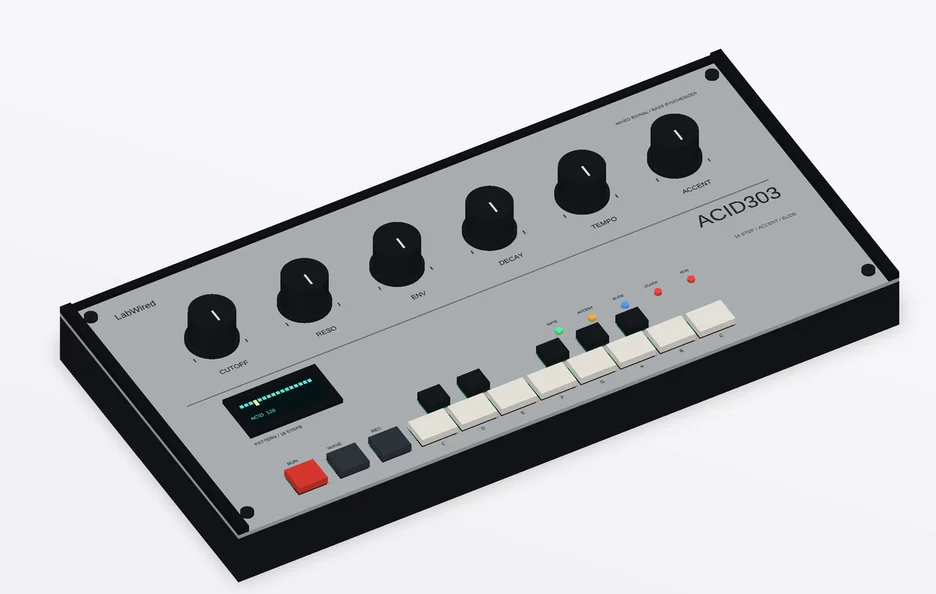
We routed 57 nets for a 16-step bass synth and sampled its analog output. Changing one resistor in the model made the firmware fail its DAC gain test.
Custom simulation services
MCU and peripheral models for the selected workflow, including custom device interfaces where needed.
Normal operation and agreed failure cases, with logs and pass or fail results. CI integration can be included in the scope.
Project model and test source, setup instructions, and a record of what is modeled, approximated, or left to hardware.
How we work
The initial feasibility check is free. Model development and integration are quoted after we agree the scope.
The MCU part number or candidates, connected peripherals, and one task you want engineers to do without the board.
We review the target, identify model gaps, and define the workflow and acceptance checks before work starts.
We implement the model and tests, compare selected behavior with your hardware, and help your team run the local environment.
Private hardware
If a component cannot be shared, we can scope the work around an approved interface description or help your team add its model inside your environment.
We agree local execution and data-sharing requirements before work starts. Send only material you are allowed to share.
It depends on the exact MCU, peripherals, and firmware path. The feasibility check identifies existing coverage and what needs to be built.
Simulation covers the behavior included in the model. Electrical characteristics, unmodeled timing, and final device validation still need hardware.
The custom environment is quoted as a project. You can keep using the delivered local model and tests. Additional devices, workflows, and ongoing support are scoped separately.
Tell us about your board
Give us the target MCU, the signals or peripherals you need, and one result you expect. We’ll check model coverage and scope the work. Share only public links and nonconfidential details.
The form opens an email draft. You can review it before sending, or email andrii@labwired.com directly.